
SERVICES
Roof Ventilation
Proper Roof Ventilation
Roof ventilation plays a critical role in protecting your home and extending the life of your roofing system. Proper airflow helps regulate attic temperature and prevents moisture buildup that can damage insulation, decking, and shingles.
Request a QuoteA well-designed ventilation system allows hot, humid air to escape while drawing in cooler outside air. This balance helps reduce heat buildup in the attic, improve energy efficiency, and prevent issues like mold, condensation, and premature roof deterioration.
With the right vents, placement, and airflow design, your roof can perform more efficiently year-round. Proper ventilation protects the structure of your home while helping your roofing system last longer.
Proper Ventilation Design
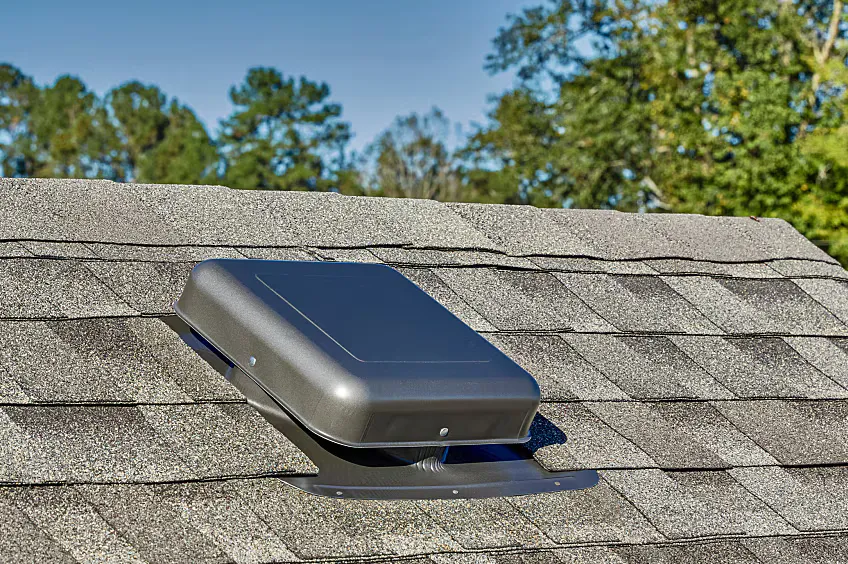
Effective roof ventilation starts with the right design. We evaluate attic airflow and install intake and exhaust vents in the proper locations to create balanced circulation throughout the roof system.
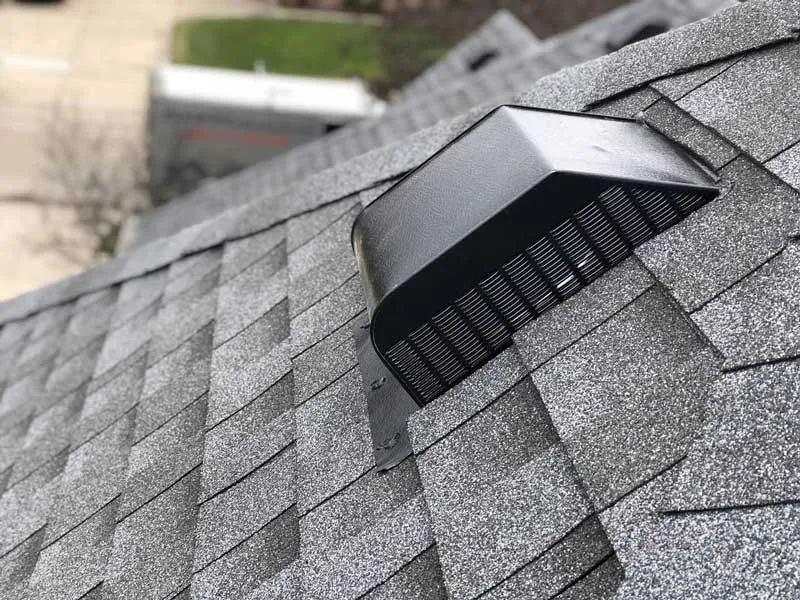
Temperature Control
A properly ventilated roof helps release trapped heat from the attic. This reduces strain on your HVAC system, improves indoor comfort, and can help lower overall energy costs.
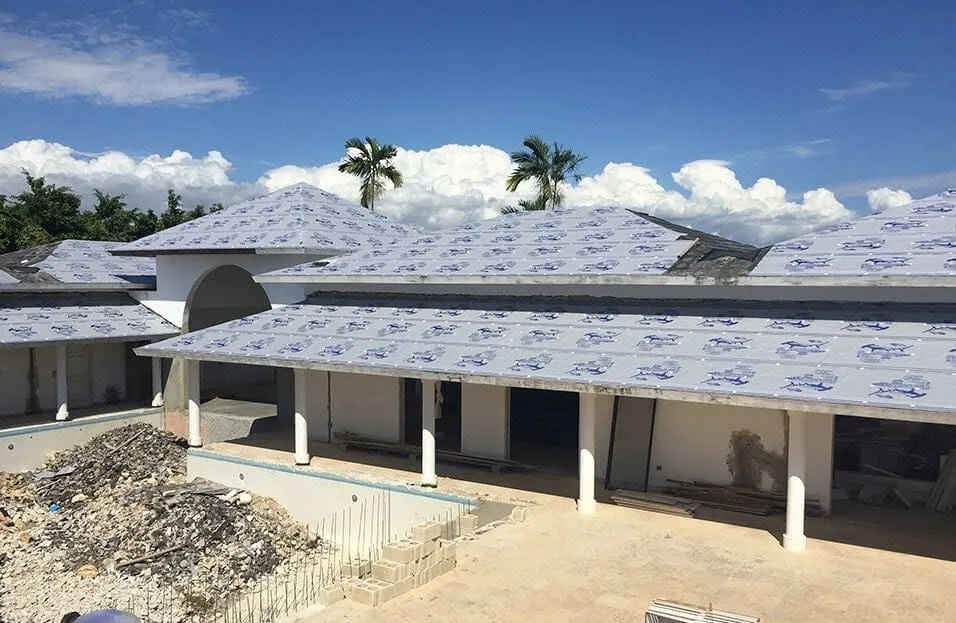
Moisture Protection
Ventilation prevents moisture buildup that can lead to mold, mildew, and structural damage. By allowing humid air to escape, your roof and attic remain dry and protected.
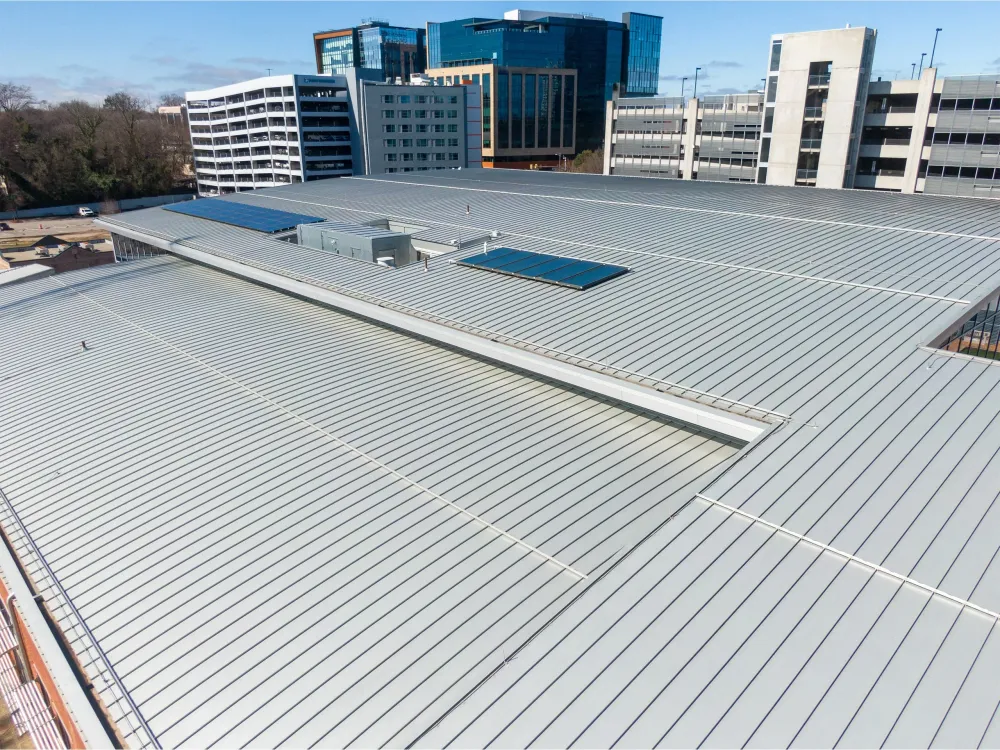
Long-Term Roof Performance
Balanced airflow helps extend the lifespan of your roofing materials. With proper ventilation in place, shingles, decking, and insulation perform better and last longer.
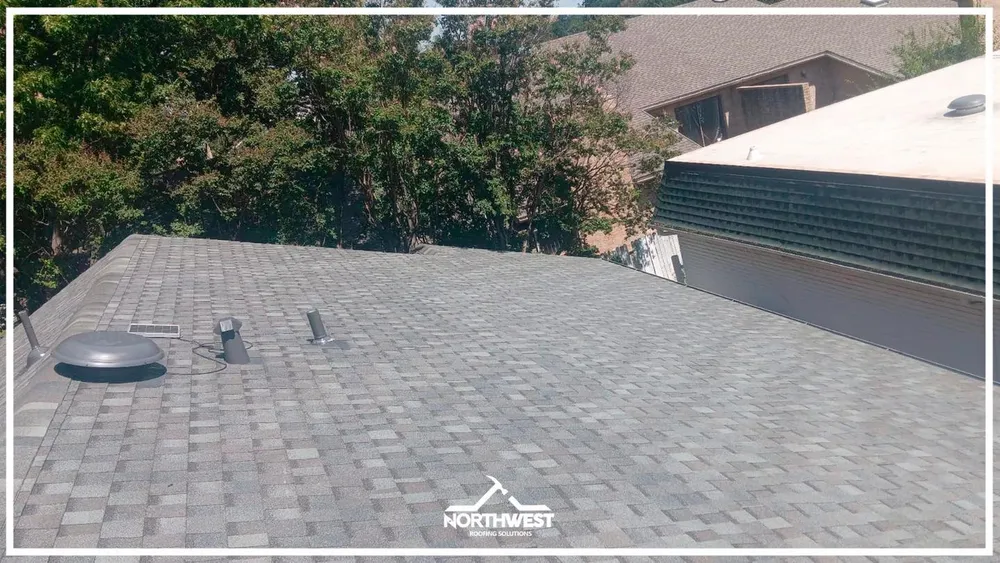
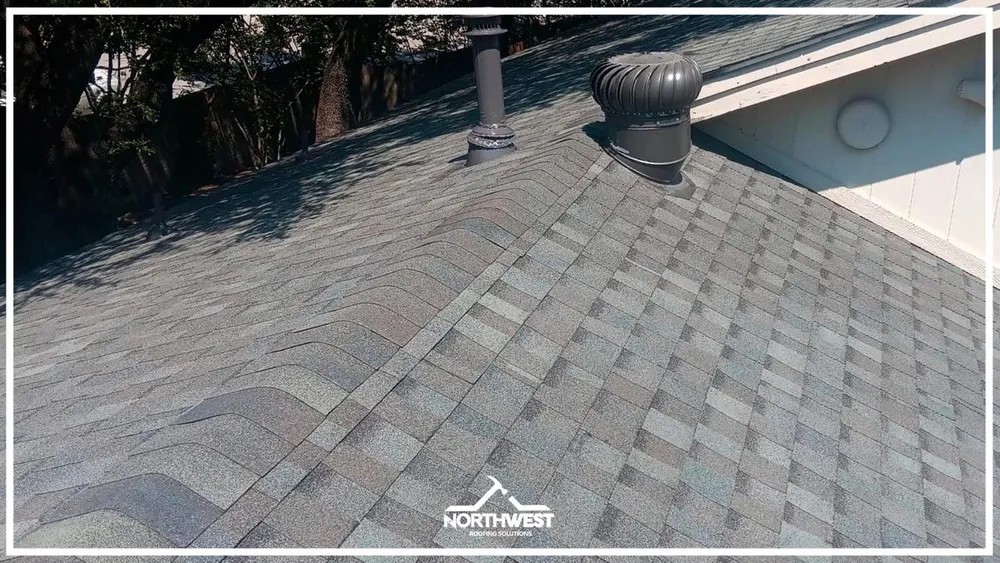
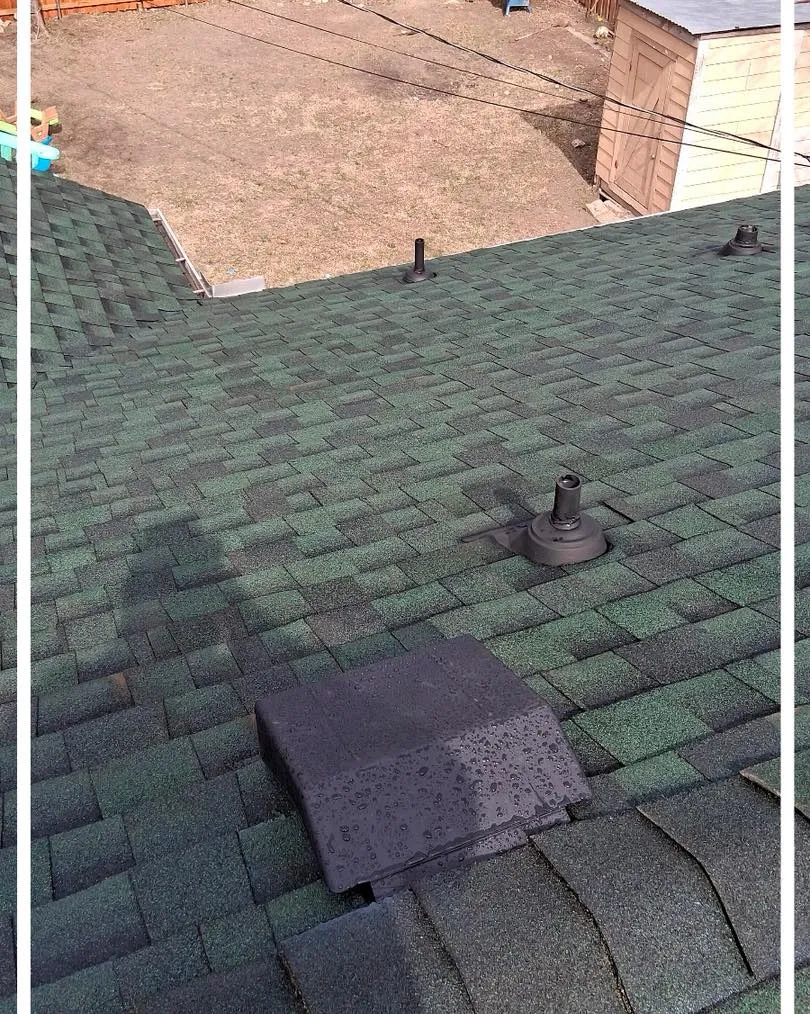
Our Roof Ventilation Gallery
Our Roof Ventilation Process
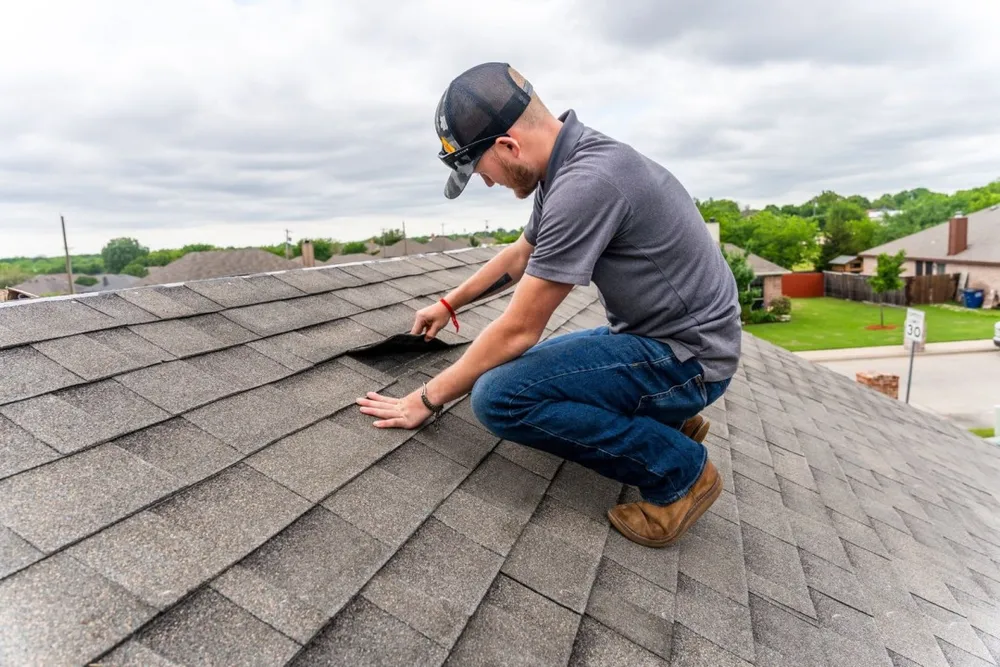
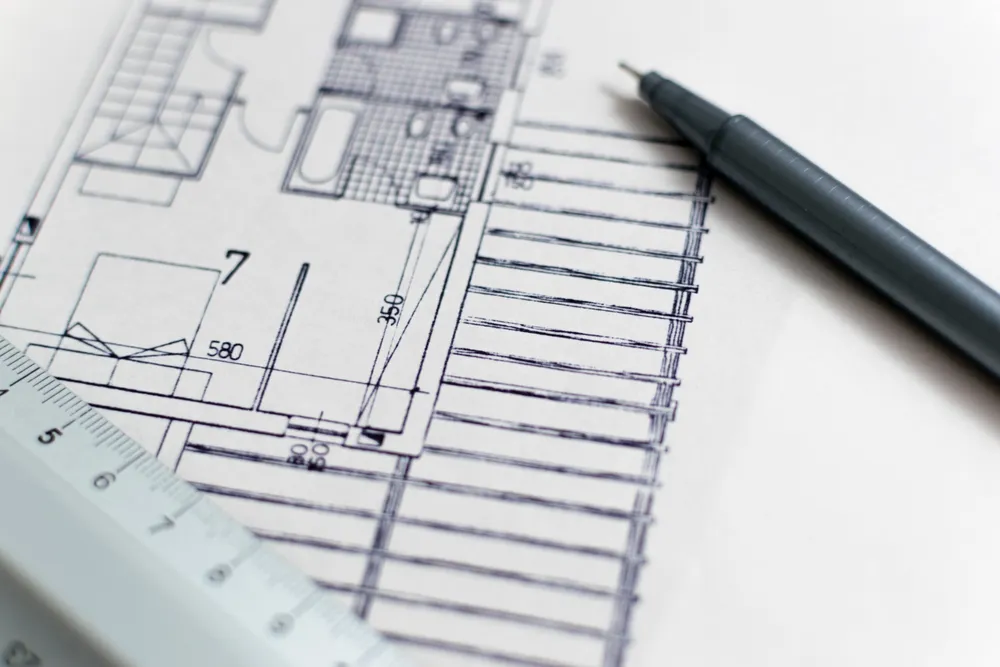
1. Evaluate Airflow
We begin by assessing the attic and existing ventilation system to determine airflow balance. This helps identify heat buildup, blocked vents, or areas where additional ventilation is needed.
2. Plan Vent Placement
Based on the inspection, we determine the proper placement for intake and exhaust vents. Balanced airflow between soffit vents and ridge or roof vents is key to effective ventilation.

3. Install Ventilation
We install the appropriate ventilation components with careful attention to airflow, weather sealing, and roof integrity to ensure long-term performance.
4. Test & Finalize
After installation, we confirm that the ventilation system is functioning properly and that airflow is balanced to help protect your roof and attic year-round.
Frequently Asked Questions
Why is roof ventilation important?
Roof ventilation allows heat and moisture to escape from the attic, preventing damage to roofing materials, insulation, and the structure of your home.
How do I know if my roof ventilation is poor?
Signs include high attic temperatures, moisture buildup, mold, ice dams in colder climates, or shingles that deteriorate faster than expected.
What types of roof vents are commonly used?
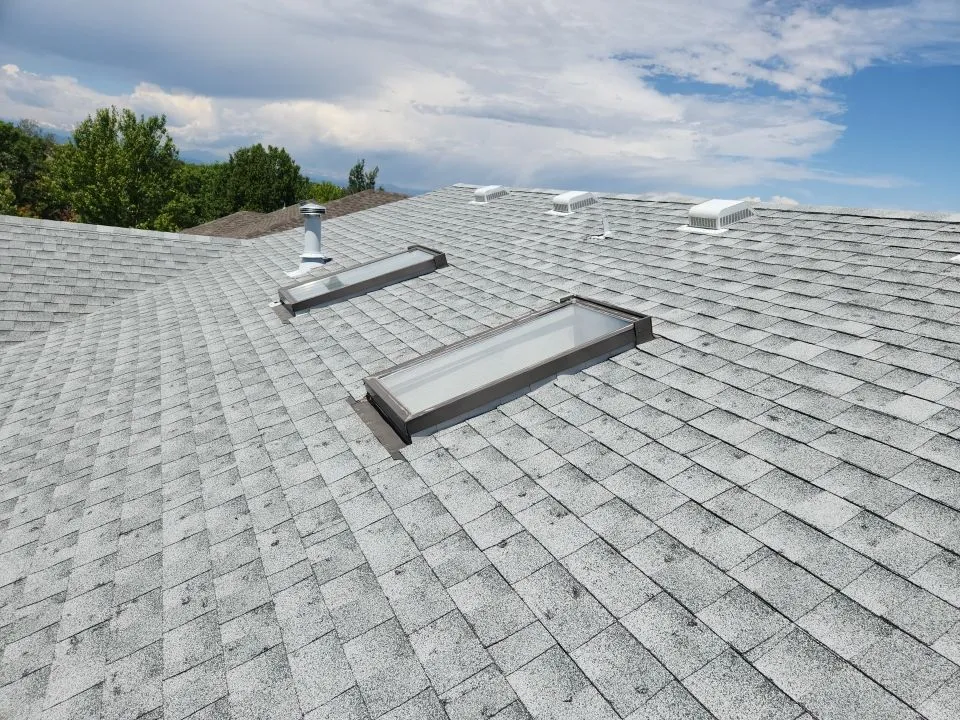
Common options include ridge vents, soffit vents, box vents, and powered attic fans. The right combination depends on the design of your roof and attic.
Can poor ventilation damage my roof?
Yes. Trapped heat and moisture can warp decking, damage insulation, and shorten the lifespan of roofing materials.
Will better ventilation reduce energy costs?
Proper ventilation helps regulate attic temperatures, which can reduce strain on your HVAC system and improve overall energy efficiency.
Can roof ventilation be added to an existing roof?
Yes. Ventilation systems can often be improved or installed during roof repairs or replacements without requiring a full roof replacement.
Need Roofing Work?
Call or message our team to schedule a roof inspection or request a free estimate. We handle repairs, replacements, and roofing work for homes across Dallas.
Request A QuoteEmergency Roof Repairs
Storm damage or a sudden leak? Our crew can respond quickly to prevent damage to your home.
Call For Repairs